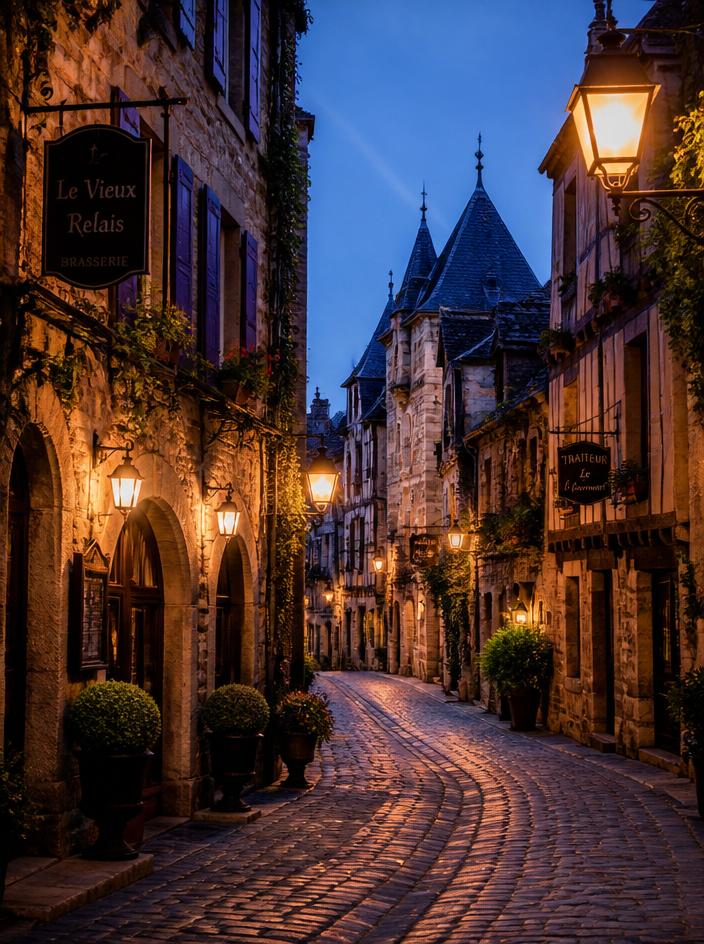
A week in Europe for a family of four can land close to what a week at a mid-tier Caribbean all-inclusive costs, provided you pick the right country, the right month, and the right kind of lodging. Here's the version I give clients over the phone.
Go in shoulder season — it's not a small saving
Late April to mid-June and mid-September through October are the sweet spots. Airfare from the US can be 30–45% below July pricing, hotels drop similarly, the weather is better than August in southern Europe, and the crowds at major sites are meaningfully thinner. If your school calendar allows even a few days on either side of a break, tell us — that flexibility is worth real money.
The best-value countries for families
Spain and Portugal
The strongest combination of price, food, weather, and kid-friendliness in western Europe. Spanish culture keeps late hours and welcomes children everywhere, which removes the restaurant stress that ruins a lot of family trips. Seville, Madrid, Valencia, Lisbon, and Porto all deliver. A week for four, land only, commonly runs $2,200–$3,400.
Italy — outside the big three
Rome, Florence, and Venice are expensive and crowded. Bologna, Puglia, and the Amalfi shoulder season are not. Kids do better with beach-and-town Italy than with a museum marathon anyway.
Central Europe
Prague, Budapest, and Krakow are the cheapest quality European city breaks going — thermal baths, castles, and dramatically lower food and hotel costs. Excellent for a first Europe trip with kids nine and up.
Ireland and Scotland
Higher lodging costs, but a road trip with castles and coastline keeps children engaged in a way city-hopping doesn't, and there's no language barrier to manage.
Where to stay
- Apartments over hotel rooms. European hotel rooms rarely fit four, so you're often buying two rooms. An apartment with a kitchen is usually cheaper than one room and cuts breakfast costs to nearly nothing.
- Stay one neighborhood out. A ten-minute metro ride from the historic center regularly halves the nightly rate.
- Fewer bases, longer stays. Two cities in ten days beats four. Moving is where money and patience both go.
Getting around
Trains are the right call for city-to-city travel in Spain, Italy, France, and Germany — book them 30 to 60 days out, when advance fares release, and they're a fraction of the walk-up price. Budget airlines look cheaper until you add bags, seat selection, and the transfer to an outlying airport; for a family of four they usually aren't. Rent a car only for genuinely rural itineraries, and never for a city-based trip.
What to skip and what to splurge on
Skip the hop-on-hop-off buses and the multi-attraction city passes unless you've done the math for your specific plan — most families don't visit enough sites to break even. Splurge on one skip-the-line guided experience per city: a good two-hour guide with kids beats four hours of queueing at the same site.
Pace it hard. One major activity per day plus a park, a gelato, and a slow dinner is a successful day. Three museums is a meltdown.
Planning help
Our Europe travel tips guide covers documents, packing, and money, and the Europe destinations page has our current favorite regions. When you're ready for real numbers, we quote flights, lodging, rail, and transfers together so you can see the whole trip cost at once.